




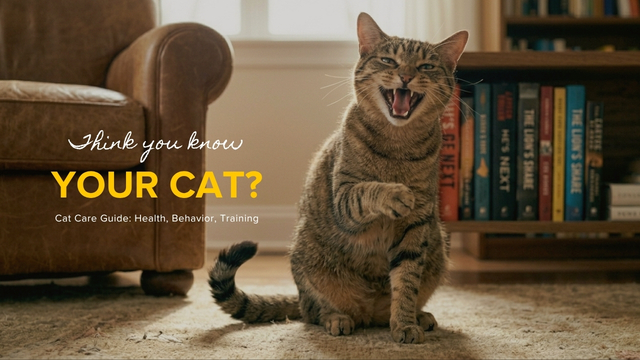
Living with a cat is… an experience.
One minute, they curl up on your lap like a tiny ball of warmth. The next minute they stare you straight in the eye while pushing your glass off the table. No guilt. No hesitation. Just pure chaos.
And somehow we still adore them.
After spending years around cats, one thing becomes very clear. They never do anything randomly. Every habit, every strange noise, every dramatic reaction means something.
The trick is learning to read those little signals.
Once you start understanding them, life with a cat becomes easier. Feeding them makes more sense. Their behavior stops feeling confusing. Even the weird habits start feeling… kind of adorable.
So let’s talk about the everyday things that truly matter when caring for a cat.
The first mistake many new cat owners make happens at the food bowl.
Cats may look small and harmless, but biologically they are hunters. Their bodies are built to eat meat. Not grains. Not vegetables. Meat.
Scientists call them obligate carnivores, but the idea is simple. Cats must eat animal protein to stay healthy.
One nutrient matters more than most: taurine.
Taurine supports a cat’s heart, eyes, and nervous system. Their bodies cannot produce it on their own. They must get it from food. And taurine exists naturally in animal protein.
This is why the first ingredient in cat food should always be real meat. Chicken, turkey, beef, fish—something identifiable.
If the label starts with corn, wheat, or soy, the food is mostly filler.
Cats deserve better than that.
I always tell people this simple rule: if the food does not look like something a small predator would eat, it probably is not ideal for a cat.
Now let’s talk about something many cat owners overlook: water.
Cats are terrible at drinking water.
It sounds strange, but their bodies evolved from desert animals. Their ancestors got most of their hydration from prey. Because of this, modern cats still have a very weak thirst drive.
So if a cat eats only dry kibble, they may not drink enough water to balance it out.
Over time this can stress their kidneys and urinary system. And cats are already prone to kidney problems as they age.
This is why wet food can make a huge difference.
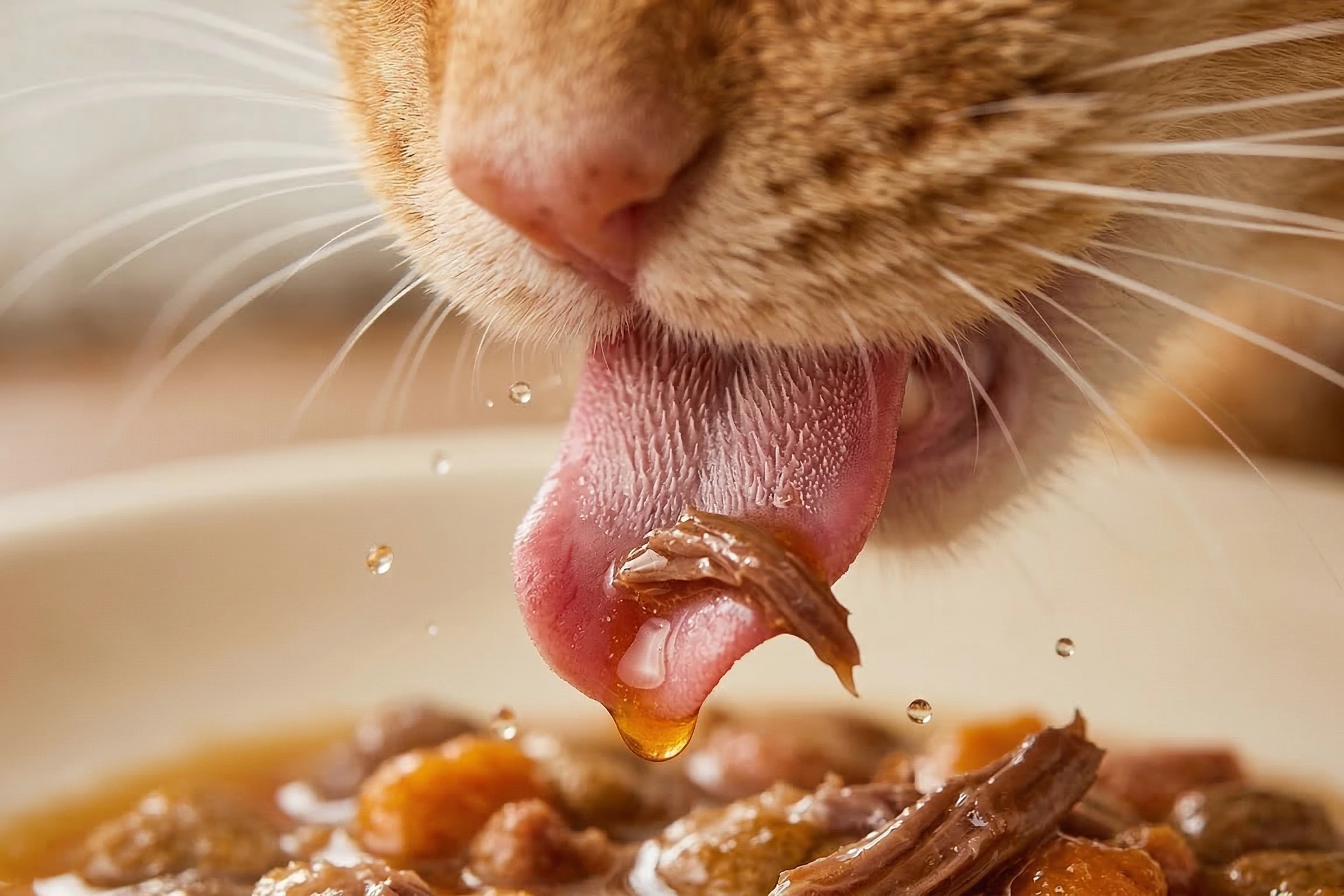
Wet food contains a lot more moisture. It helps keep cats hydrated without forcing them to drink more water. Most cats also love the smell and texture.
If you have ever opened a can of wet food, you already know what happens next. The sound alone brings a cat running across the house like a tiny food detective.
Mixing wet and dry food often works well. It provides hydration while still keeping feeding simple.
Many people believe cats are mysterious creatures.
Honestly, they are not mysterious. They are just subtle.
Cats communicate constantly. They simply use body language instead of obvious signals.
Once you learn to notice those small signs, their behavior suddenly makes perfect sense.
Take the tail, for example.
A straight upright tail usually means your cat feels confident and happy. When the tip curls slightly, it often means they are greeting someone they trust.
But when the tail starts whipping back and forth quickly, that mood has changed. That cat is annoyed.
Ignoring that signal often leads to what cat owners call the “surprise bite.”
Not because the cat is mean. Because the warning was missed.
Cats always warn first.
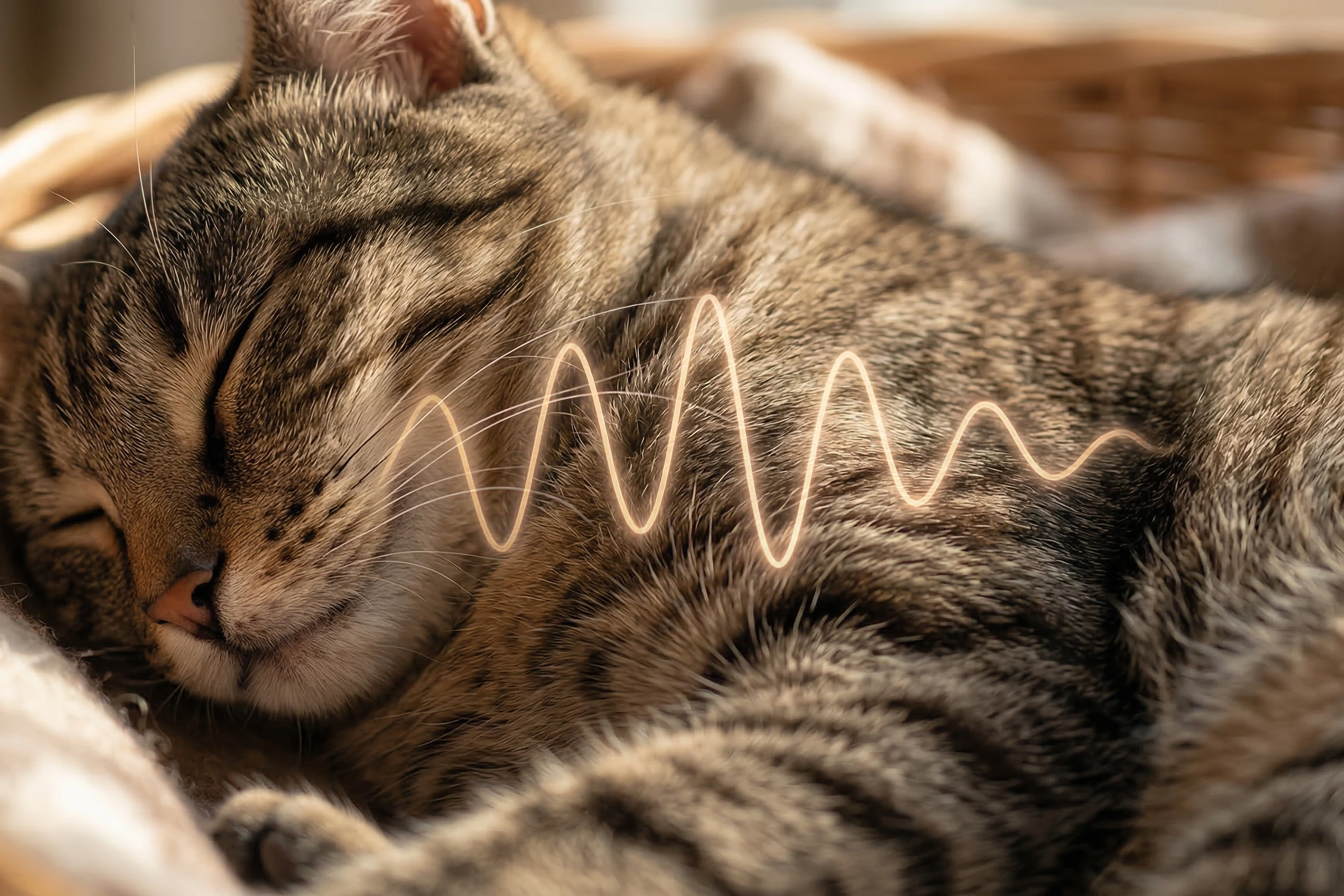
Most people think purring always means happiness.
And yes, sometimes it does.
But purring is actually more complicated than that.
Cats also purr when they feel anxious, injured, or unwell. The vibration from purring may help them calm themselves. Some studies even suggest it helps with healing and pain relief.
So context matters.
A cat curled up next to you, blinking slowly, and purring? That is pure comfort.
A cat hiding under the bed while purring nonstop? That may signal stress.
The key is observing the whole situation, not just the sound.
Cats rarely hide emotions completely. We just have to notice the details.
Building Trust Instead of Fear
Some old training advice suggests using spray bottles or yelling.
This rarely works long-term.
Cats do not connect punishment with their behavior. Instead, they connect it with the person delivering it.
So the result becomes simple.
The cat stops trusting you.
And trust is everything in a cat relationship.
Cats thrive in environments where they feel safe. When they trust their human, they listen more. They respond better. They even become more affectionate.
So reward the good behaviors instead of punishing the bad ones.
That approach always works better.
For example, redirecting their energy and rewarding them with a quick play session using an interactive cat toy launcher is a fantastic way to build a positive bond and reinforce good habits.
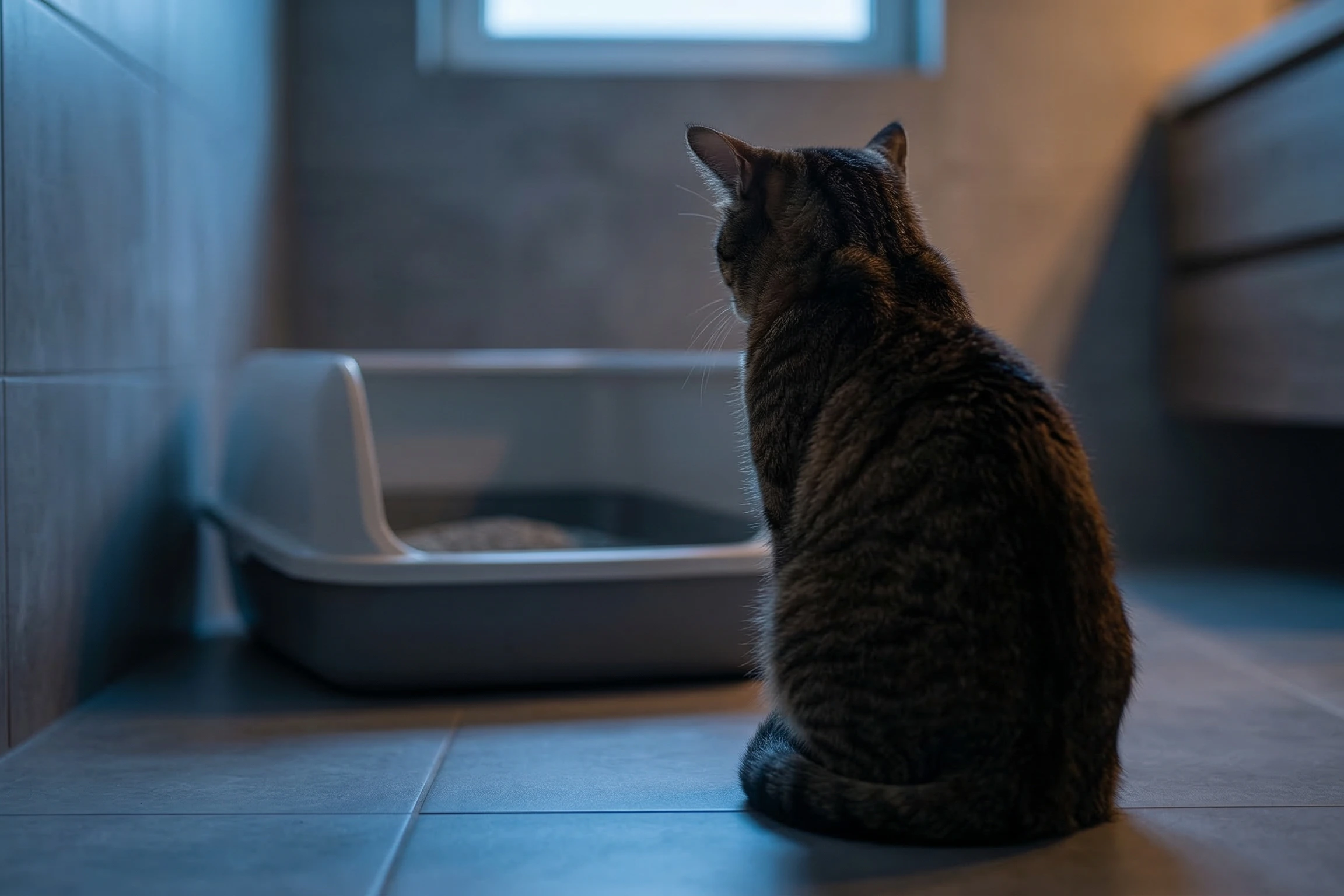
If you want early clues about your cat’s health, watch the litter box.
It may sound unpleasant, but it tells you a lot.
Healthy cats usually follow consistent bathroom habits. They use the litter box regularly and without distress.
If a cat suddenly stops using the box, something is wrong.
Pain during urination, urinary infections, digestive problems, or even stress can cause this change.
Crying in the litter box is especially serious. That requires immediate attention.
Cats rarely complain loudly when they feel sick. Their instinct is to hide weakness.
So when their bathroom habits change, it often means something important is happening.
How do I know if my cat is truly happy?
Happy cats groom themselves regularly, eat well, and show curiosity about their surroundings. They stretch, play, and relax comfortably around their people. Slow blinking, kneading, and gentle head bumps are strong signs of trust and affection.
Why does my cat sleep on my chest or head?
Warmth and safety. Your body heat feels comforting, and the sound of your heartbeat reminds them of kittenhood. When a cat chooses that spot, they are saying one thing very clearly: they trust you completely.
Why does my cat knead my lap like dough?
That behavior comes from kittenhood. Kittens knead their mother’s belly to stimulate milk flow. Adult cats keep doing it when they feel safe and content. Cat owners call it “making biscuits.” And yes, those claws sometimes come with the biscuits.