








Living with a cat often feels like living with a tiny, fluffy puzzle. One minute, they are glued to your side like you are their favorite human on earth. The next minute, they sit across the room staring at you like you committed a personal betrayal by moving their blanket two inches.
Most cat parents go through this phase of confusion. You love your cat deeply, but sometimes their reactions feel impossible to understand. The truth is that cats communicate constantly. They just do it through quiet signals: small sounds, subtle body movements, and habits you might overlook at first.
Once you start noticing those signals, things begin to click. That tail flick suddenly makes sense. That slow blink suddenly feels special. And you realize your cat has been talking to you all along.
If you share a home with a cat, you already know they are not as silent as people think. Some cats will practically narrate their entire day. Others only speak when they want something important—usually food.
Cats actually have a whole range of sounds, and each one carries a different emotional message. The trick is noticing when and why your cat makes them.
Most cat parents hear these regularly:
Every cat develops their own personal vocabulary. After a while, you can tell the difference between their sounds.
For example, many cat parents recognize these situations instantly:
It sounds funny, but after living together long enough, you genuinely start understanding your cat’s “language.”
While sounds are helpful, your cat’s body posture often tells the real story. Cats express emotions through small physical cues that experienced cat parents eventually learn to recognize instantly.
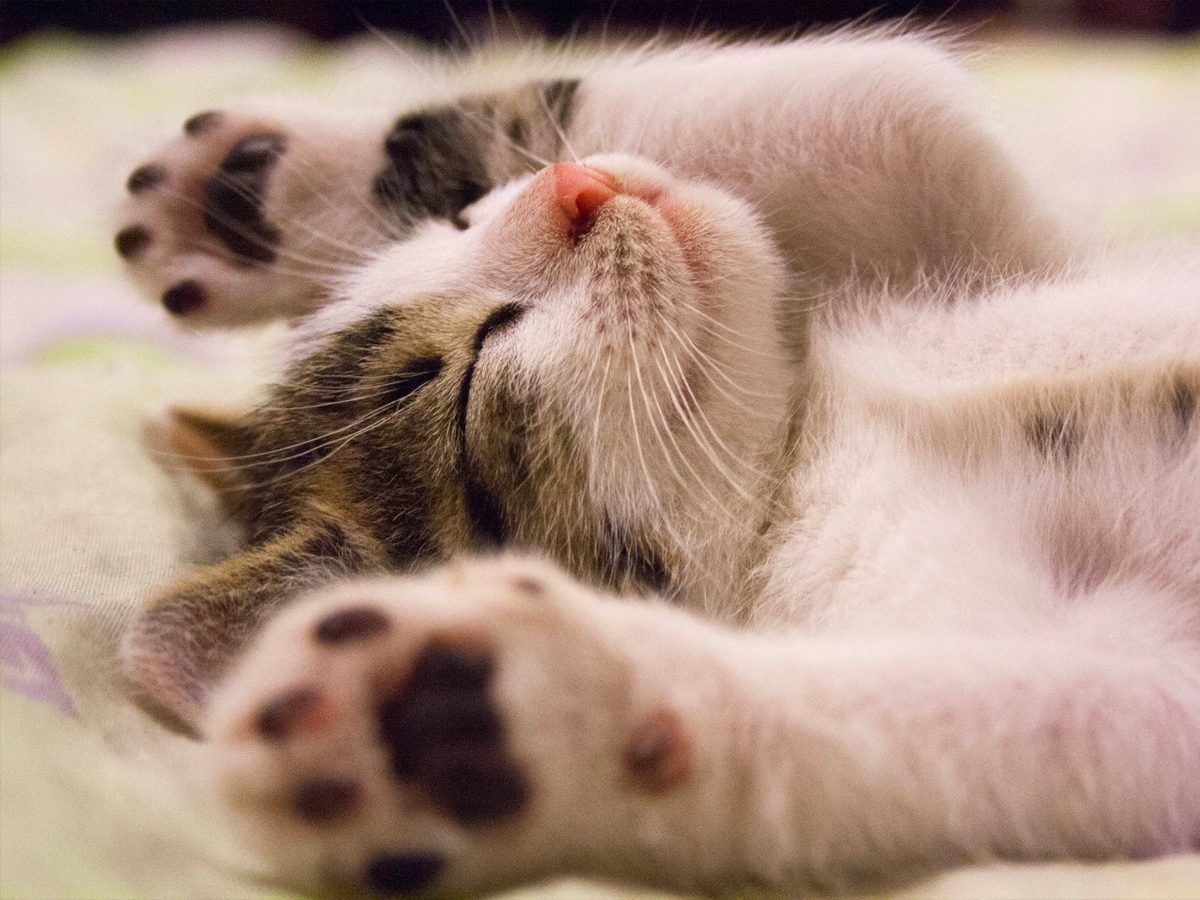
When a cat feels safe and comfortable, their body looks loose and relaxed. Their ears face forward, their eyes soften, and their movements feel slow and natural. You will often see them stretching across furniture like they own the place, which, to be fair, they probably believe they do.
A comfortable cat often shows these signals:
These moments usually mean your cat feels secure in their environment.
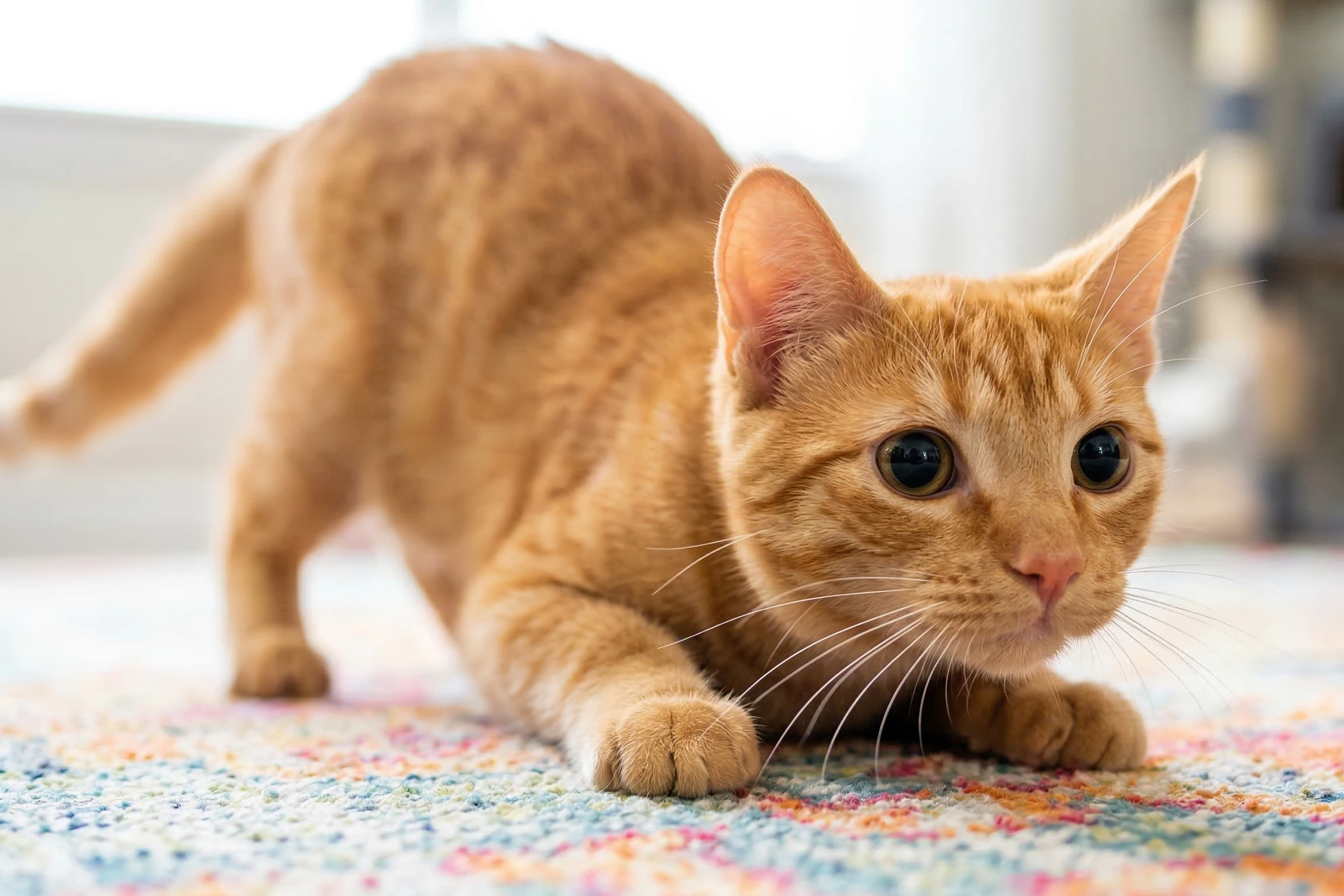
Cats also have a very recognizable play stance. When their hunting instincts activate, their bodies shift slightly.
Look for these clues:
Every cat parent eventually learns that the butt wiggle is the final warning before a dramatic toy attack. To really activate those natural hunting instincts and give them a target worth pouncing on, try introducing a moving ball toy with a mesh tail into their playtime routine.
Cats also show very clear signals when they feel uncomfortable.
Watch for these changes:
When these signals appear, your cat is basically saying, “Please give me space right now.” Respecting that message helps maintain trust.
Understanding these defensive moods is just the first step in building a happy, stress-free home for your pet. To learn more about managing your cat’s well-being and long-term wellness, check out our comprehensive [Cat Care Guide: Health, Behavior, Training & Nutrition].
If you ever feel unsure about your cat’s mood, watch the tail. Many experienced cat parents rely on tail movement as the quickest emotional indicator.
Cats express a surprising amount of emotion through this one part of their body.
Here is a simple breakdown many cat parents rely on:
| Tail Position | What It Usually Means |
| Tail straight up | Happy, confident, greeting you |
| Tail wrapped around body | Comfortable or relaxed |
| Slow swaying tail | Curious or focused |
| Rapid flicking tail | Irritated or overstimulated |
| Puffy tail | Scared or startled |
Tail flicking often appears before scratching or biting. When petting sessions go on too long, many cats begin flicking their tail as an early warning.
Ignoring that signal often leads to the classic moment where your sweet cat suddenly grabs your hand like a tiny tiger.
Learning this signal saves a lot of scratched arms.

Cats rarely show affection in loud or dramatic ways. Instead, they express attachment through small everyday habits that many people overlook at first.
Once you recognize these behaviors, you begin noticing them everywhere.
When your cat looks at you and slowly blinks, they are showing trust. Cats only close their eyes like this when they feel safe in their environment.
Many cat parents actually blink slowly back at their cat. Surprisingly, some cats respond by blinking again or relaxing further.
It becomes a quiet little conversation between you and your pet.
When your cat presses their head against you or rubs along your legs, they are marking you with scent glands on their face.
Technically, this behavior marks territory. But emotionally, it means something sweeter. Your cat considers you part of their safe space.
In other words, you officially belong to them now.
Kneading happens when cats push their paws rhythmically into soft surfaces.
You will often see this behavior on:
This habit starts in kittenhood while nursing and continues into adulthood when cats feel completely comfortable and relaxed.
Many cat parents secretly love these moments, even if the tiny claws make it slightly painful.
Cats may seem mysterious at first, but they communicate more clearly than people realize. Their sounds reveal what they want, their posture reflects their mood, and their tail often signals irritation or excitement before anything else happens.
Once you start noticing these signals, your cat’s behavior suddenly becomes easier to understand. Small actions that once felt confusing begin to feel like part of a conversation between you and your pet.
And honestly, those quiet moments say the most. When your cat curls beside you, starts purring softly, and gives you that slow blink across the couch, you realize something simple but special.