

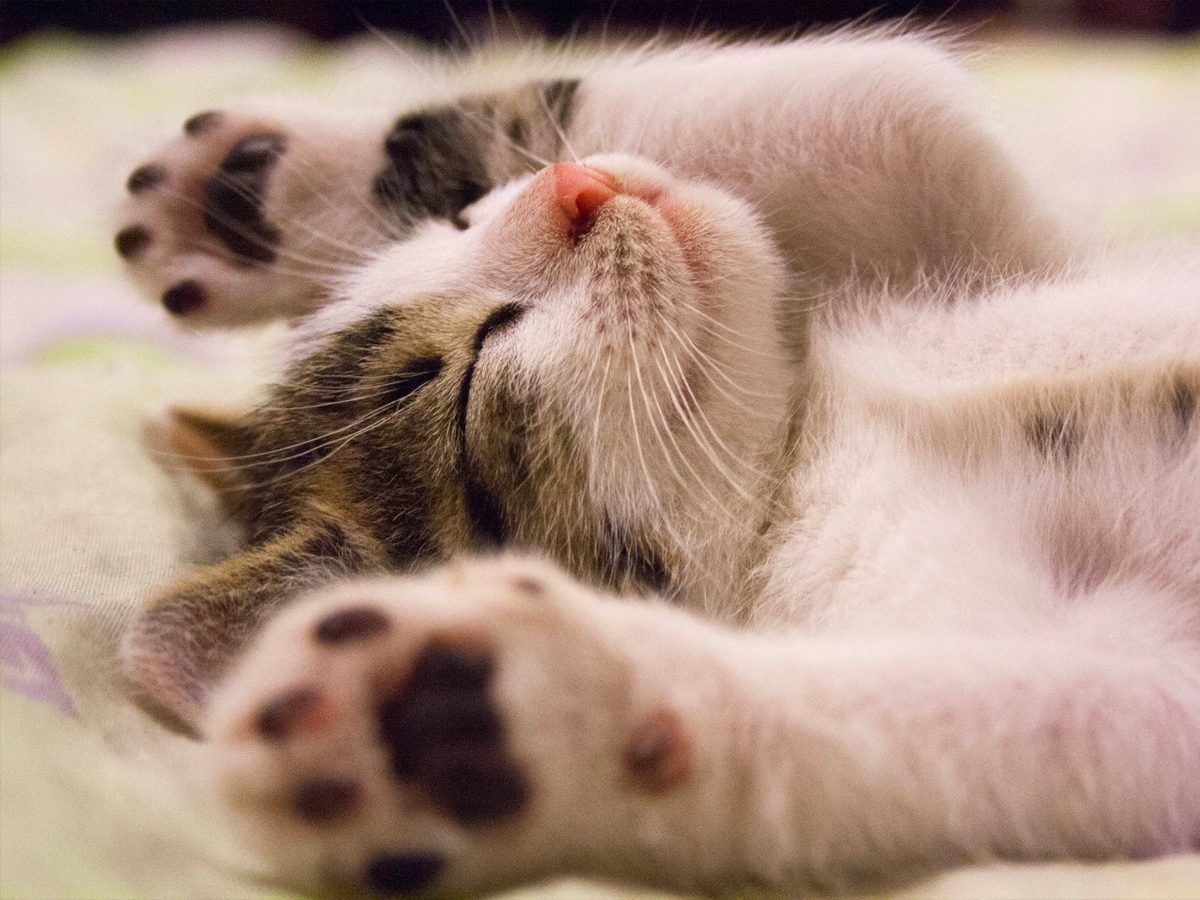



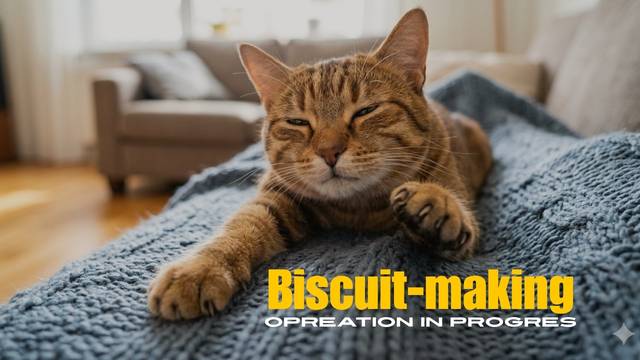
If you live with a cat, you’ve probably felt those tiny paws pressing into you like someone kneading dough. One paw, then the other, slow and steady. It usually happens when they’re sitting on your lap, a blanket, or sometimes your stomach when you’re trying to relax.
Most cat parents pause at that moment and wonder what their cat is doing. The funny thing is, the cat always looks completely peaceful. Their eyes are half closed, the purring starts, and they seem fully content in that moment.
After spending years around cats, I’ve realized kneading isn’t random at all. It’s a behavior tied to comfort, instinct, and affection. When your cat starts kneading, they’re usually expressing something positive. Understanding why they do it helps you appreciate this small but meaningful habit even more.
Kneading begins when cats are very young. As kittens nurse from their mother, they press their paws against her belly to help stimulate milk flow. This gentle pushing motion makes feeding easier and helps them stay comfortable while nursing.
Because this behavior starts so early in life, it becomes connected with feelings of warmth and safety. Even after cats grow into adults, that instinct stays with them. When they knead blankets, pillows, or your lap, they are often recreating the same calming feeling they experienced as kittens.
You’ll usually notice kneading when your cat feels relaxed and safe. Their purring becomes louder, their body softens, and their paws move slowly in rhythm. It’s a simple action, but it shows they are completely at ease in that moment.
Cats don’t always express affection in loud or obvious ways. Instead, they rely on small gestures like head bumps, slow blinking, curling beside you, and kneading. When a cat kneads your lap, it usually means they feel safe and comfortable around you.
That moment actually shows a lot of trust. Cats rarely relax deeply unless they feel secure in their environment. When they knead while sitting with you, they are showing that they see you as part of their safe space.
Many cats knead while purring and eventually settle down for a nap. Some even knead briefly before lying down, almost like they are preparing their resting spot. Although the claws can feel a little sharp sometimes, the behavior itself is usually a clear sign of affection.
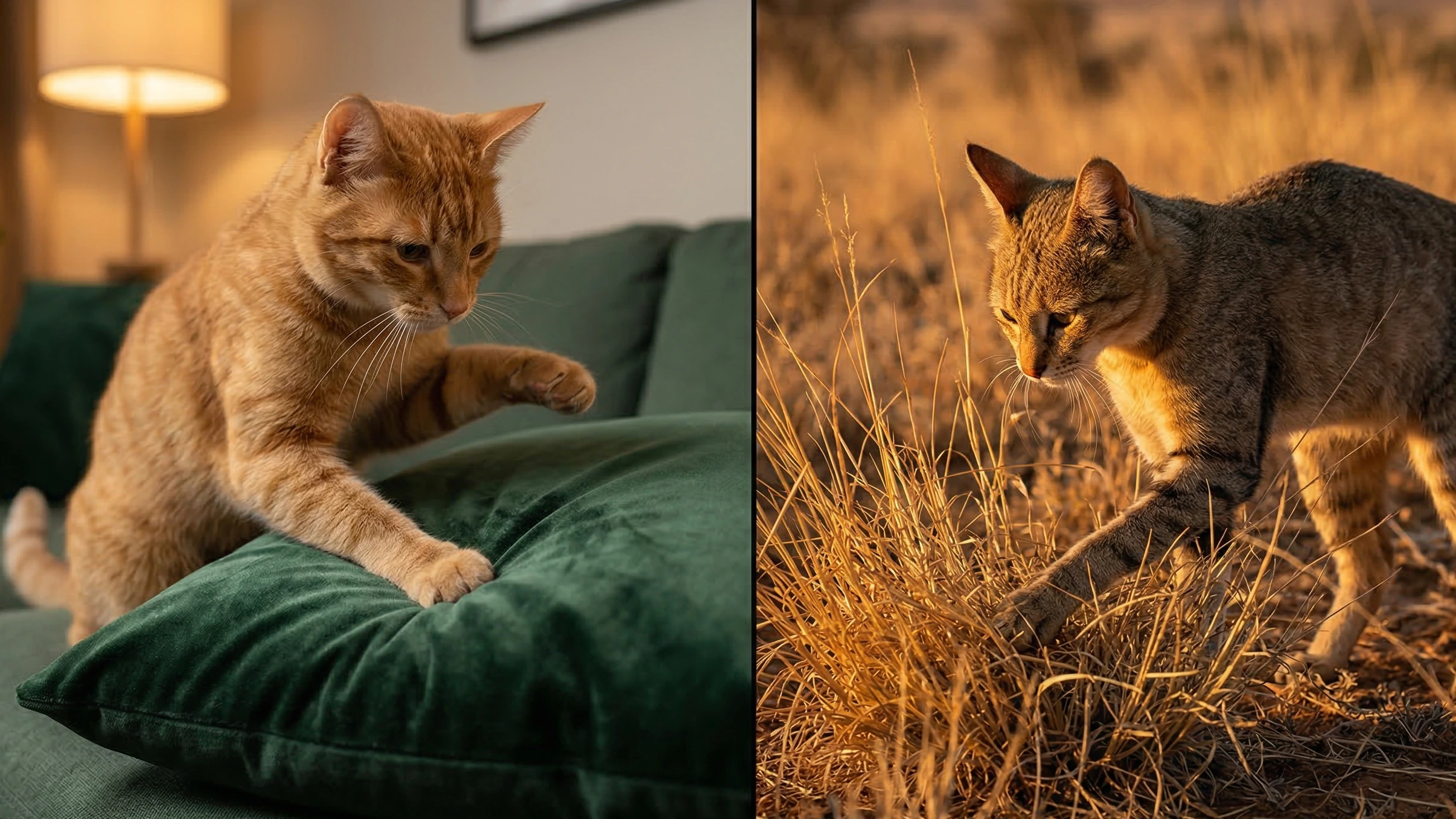
Even indoor cats still carry instincts from their wild ancestors. In natural environments, cats often press down grass, leaves, or soft ground before lying down. This helps them create a comfortable and safe resting spot.
Kneading reflects that same instinctive behavior. The repeated pressing motion helps them prepare the surface where they plan to relax. Blankets, cushions, and even your lap become substitutes for the soft ground their ancestors once used.
That’s why many cats knead blankets before curling up to sleep. It’s their way of making the space feel comfortable. Even though house cats live in cozy homes, their natural instincts still guide many of their behaviors. While kneading is a nesting instinct, cats also need to satisfy their wild hunting urges.
When they aren’t nesting, a Moving Ball Toy with Mesh Tail is a great way to let them mimic the ‘chase’ before they eventually settle down to knead and nap. This balance of play and rest keeps their ancestral spirits happy.
Cats also have scent glands in their paws. When they knead a surface, those glands release a scent that humans can’t smell. For cats, however, this scent helps mark a place as familiar and safe.
When your cat kneads your lap, your bed, or a favorite blanket, they are leaving behind their scent. This behavior helps them claim the area as part of their territory. It also reinforces the feeling that the place is safe and comforting.
Because scent plays a big role in how cats understand their surroundings, marking these familiar spots helps them relax more easily. That’s why many cats return to knead the same places again and again. Beyond scent marking with their paws, you can further enhance your cat’s sense of security and play with sensory tools.
For example, an Organic 360 Rotating Edible Catnip Toy can turn their favorite ‘safe spot’ into an interactive relaxation zone, combining the comfort of their territory with a natural, rewarding treat.scent plays a big role in how cats understand their surroundings, marking these familiar spots helps them relax more easily. That’s why many cats return to knead the same places again and again.
Kneading may seem like a simple habit, but it carries several meanings. The behavior connects cats to their kittenhood, when kneading helps them feed and feel secure. As adults, it also becomes a way to show affection and express comfort around people they trust.
Instinct and scent marking also play a role, reminding us that many natural behaviors remain strong even in domestic cats. When your cat kneads your lap or a nearby blanket, they are usually feeling relaxed and content.
So the next time your cat starts pressing those tiny paws into you, it’s worth appreciating the moment. It’s one of the quiet ways cats show that they feel safe and happy in your presence.