




Living with a cat is… a full-time emotional adventure.
One moment they curl up beside you like a tiny heater. The next moment they stare at you as if you personally offended their entire bloodline. And somehow, through all that attitude, we still end up loving them more than anything.
After years of living with cats, one thing becomes very clear. They are not mysterious at all. They are actually very expressive creatures. The problem is that they rarely use obvious signals the way dogs do.
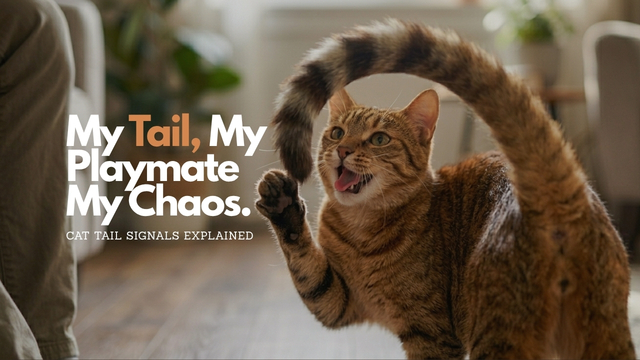
Instead, cats speak through small details. A slow blink, a twitching ear, a shift in posture. But among all these signals, the tail remains the most honest one.
Once you learn to read that tail, you start understanding your cat in a completely different way.
One of the happiest signals a cat can show is a tail standing straight up while walking toward you. It may look like a simple posture, but it carries a lot of meaning. Cats raise their tails this way when they feel confident and comfortable in their environment.
Kittens greet their mothers like this, and adult cats repeat the same behavior with humans they trust. In simple terms, it is a friendly greeting. Your cat is basically saying, “I see you, and I feel good around you.”
Sometimes the tip curls slightly like a tiny hook. That little curve often means excitement or affection. If your cat approaches you with that confident tail, just know you are clearly part of their safe circle.
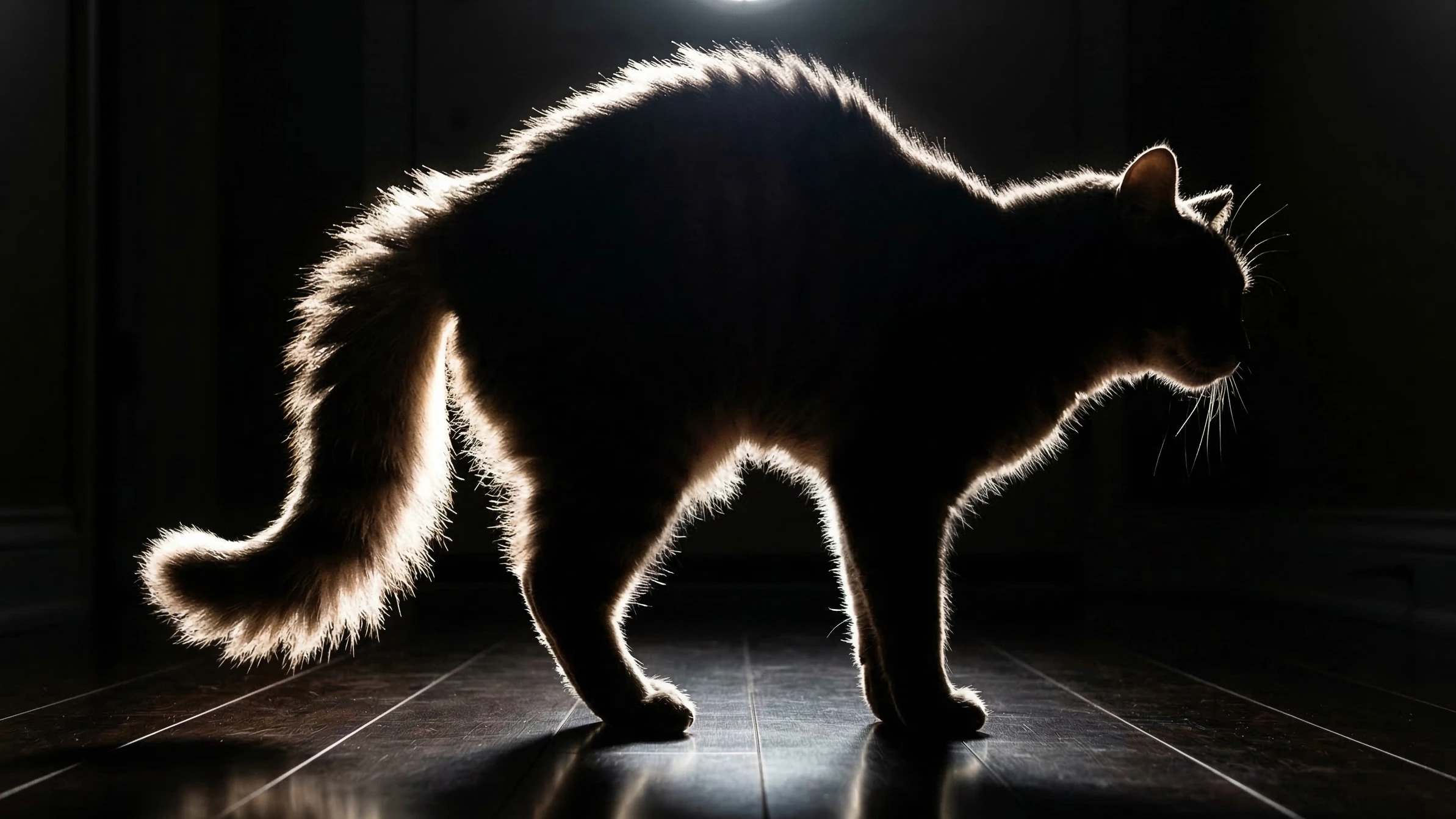
Every cat parent has seen the dramatic puffed-up tail at least once. It usually happens when something suddenly startles the cat. The fur stands up and the tail becomes thick and fluffy, almost like a bottle brush.
This reaction comes straight from survival instincts. When a cat feels threatened, puffing up helps them appear larger and more intimidating. Even the most spoiled indoor cat still carries this reflex deep inside.
Loud noises, unfamiliar animals, or sudden movements can trigger it. When it happens, your cat is not being dramatic for no reason. They are simply reacting to something that made them feel unsafe for a moment.
Sometimes the tail moves slowly from side to side while the cat sits quietly. This is one of the most peaceful signals you can observe. The body stays relaxed, the ears remain forward, and the tail moves in slow gentle motions.
This usually means your cat is calmly observing something interesting. Birds outside the window, a moving shadow, or even a tiny insect can capture their full attention. Their brain switches into quiet observation mode.
If you have ever watched a cat sit near a window for hours, you already know the scene. They study the outside world like a tiny detective on duty.
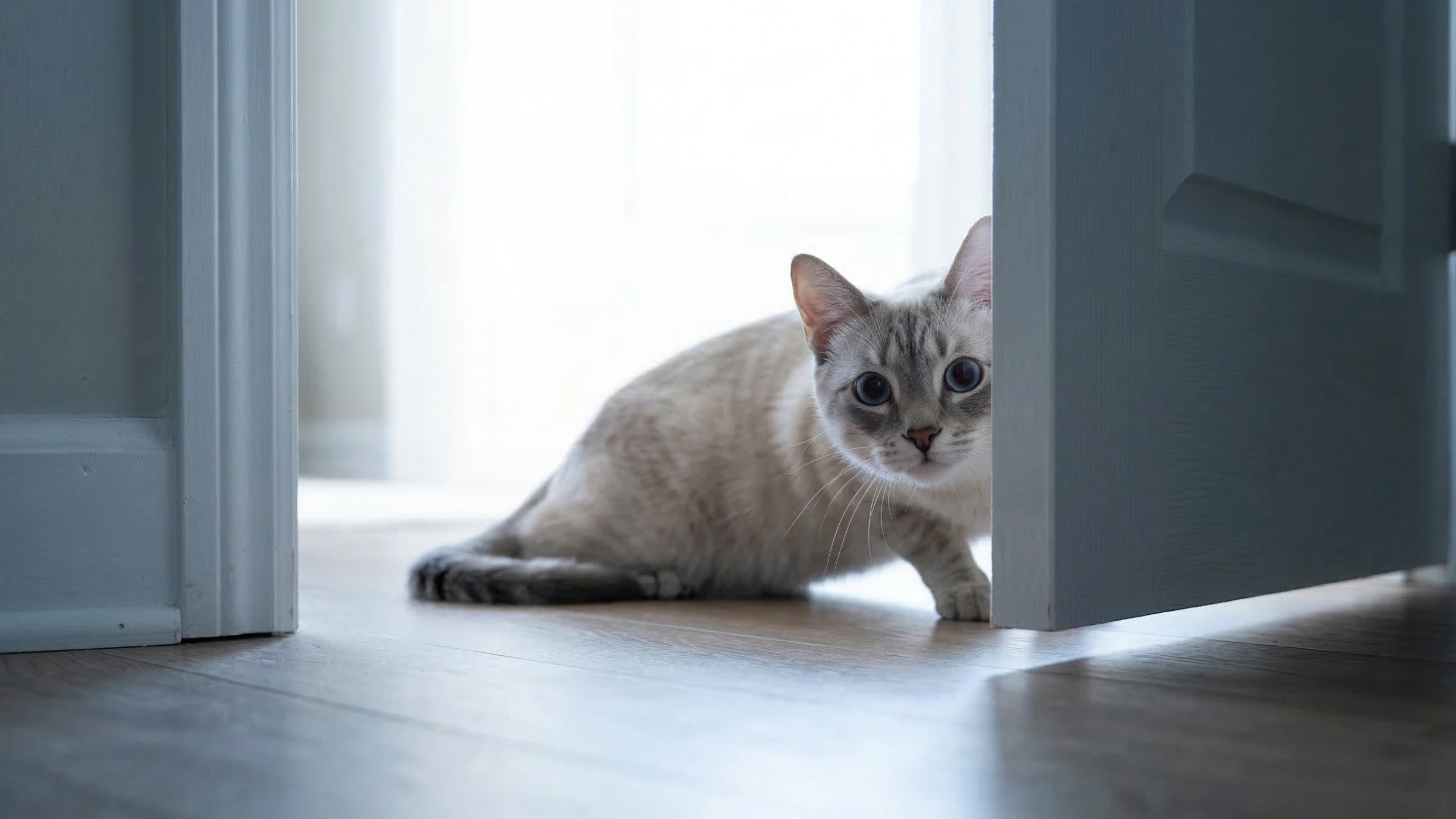
Now here is the signal that saves many hands from accidental scratches. When a cat starts flicking their tail quickly from side to side, irritation is building. Something around them is starting to bother them.
This often happens during petting sessions. At first everything feels calm and affectionate. Your cat lies next to you, purring softly while enjoying the attention. Then the tail begins flicking faster and sharper.
That tail movement is basically a warning sign. Your cat is telling you they have had enough for the moment. If the signal gets ignored, the next message might arrive in the form of a quick paw swipe.
Cats are not always obvious about affection, but when they do show it, the gesture feels very special. One of those moments happens when a cat wraps their tail around your leg or arm while standing beside you.
This behavior is a quiet sign of bonding. It feels very similar to a gentle hug. Your cat is showing comfort and familiarity, letting you know they feel close to you.
Cats also leave scent marks when they do this. Tiny scent glands near the tail help them mark the people they trust. In their own little way, they are saying you belong in their world.
When a cat holds their tail low or keeps it close to the body, it usually means they feel uncertain or nervous. Something in the environment is making them cautious. Cats prefer to stay alert when they sense unfamiliar situations.
New places, unfamiliar guests, or sudden changes around the house can trigger this reaction. Lowering the tail allows the cat to move carefully while watching everything around them.
In these moments, patience helps more than anything else. Give your cat space to observe and settle down. Once they feel safe again, their posture slowly relaxes.
Sometimes only the tip of the tail moves while the rest of the body stays still. That tiny twitch might look insignificant, but it actually reveals a lot. It usually means your cat is completely focused on something.
Their hunting instincts are quietly switching on. A toy rolling across the floor, a bug crawling on the wall, or even a moving reflection can trigger that focused state.
If you watch closely, the twitching tail tip usually appears right before action. One second later your cat might leap across the room like a tiny predator in training.
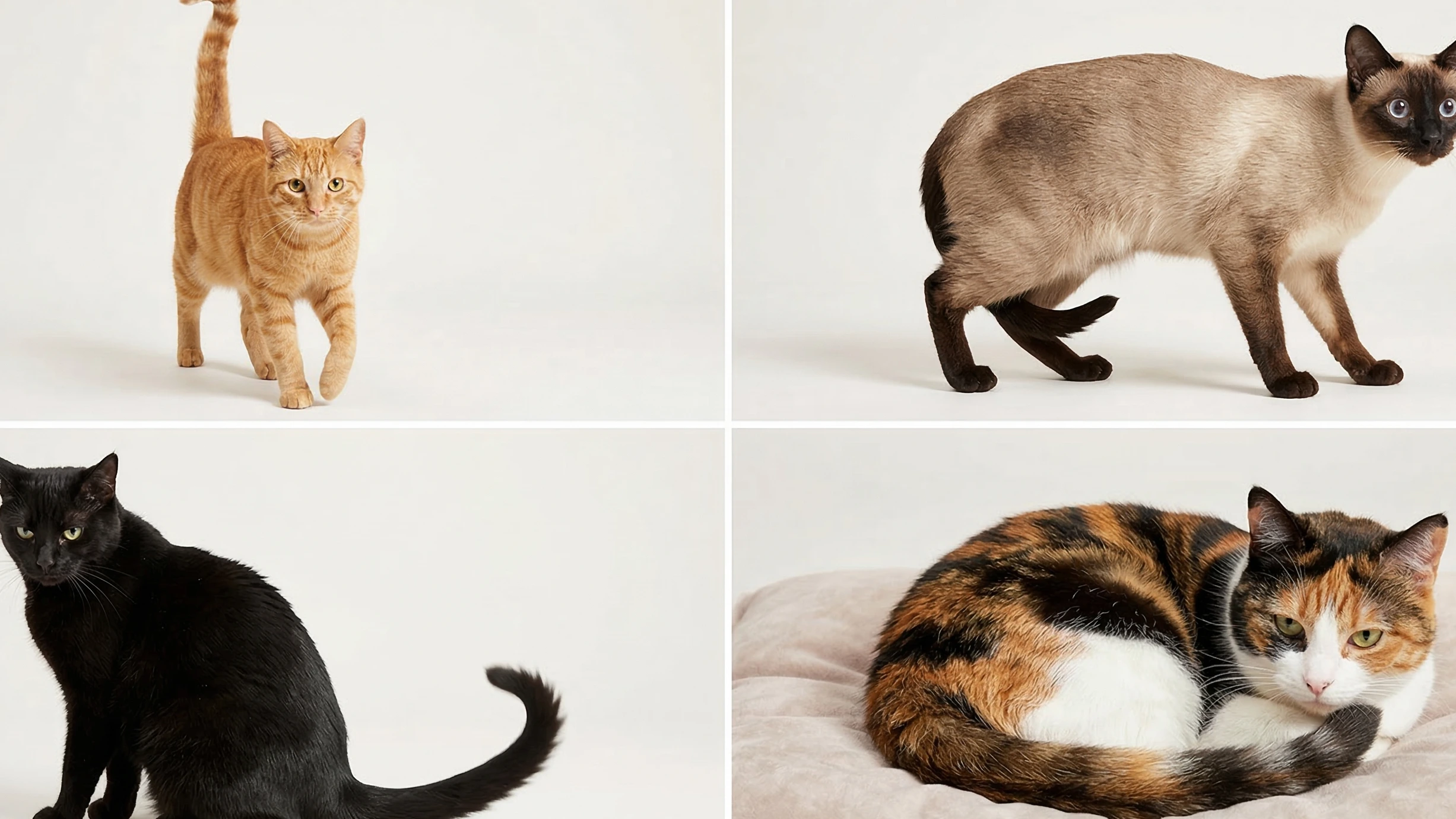
While these signals follow general patterns, every cat still develops its own style of communication. Some cats move their tails dramatically, while others use small subtle movements that are easy to miss.
The best way to understand your cat is simply paying attention over time. Watch how their tail behaves when they feel relaxed, playful, or annoyed. Those little patterns slowly become familiar.
And once you start recognizing them, something wonderful happens. Your cat stops feeling unpredictable. Their behavior begins to make sense.
Because the truth is simple. Your cat has been talking to you the entire time. You just needed to learn the language of that fluffy little tail.